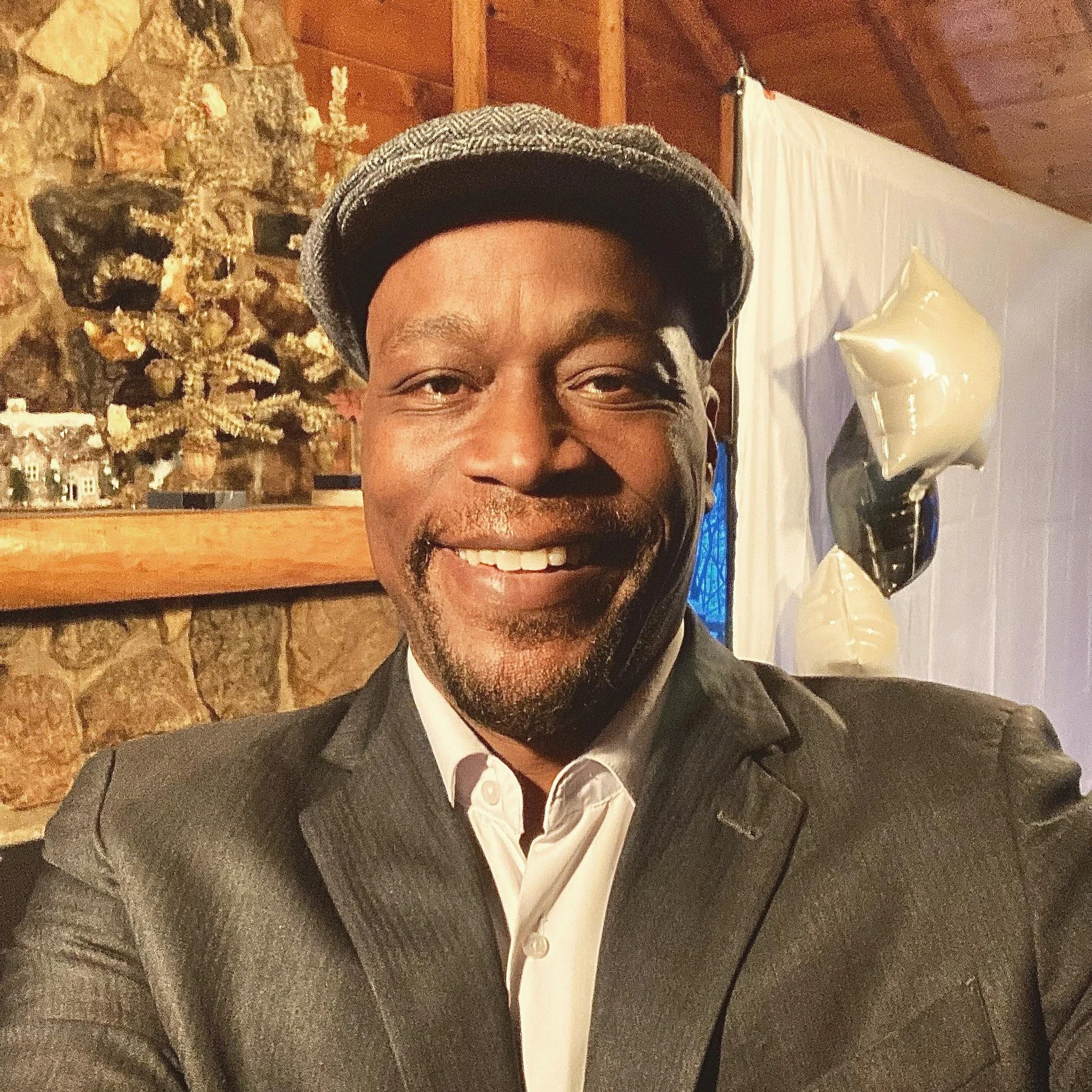

AFTER THE FURNACE
[This week we continue in our journey through the book of Daniel]
Greetings church family!
Daniel 3:28-30- Nebuchadnezzar exclaimed, “Praise to the God of Shadrach, Meshach, and Abednego! He sent his angel and rescued his servants who trusted in him. They violated the king’s command and risked their lives rather than serve or worship any god except their own God. Therefore I issue a decree that anyone of any people, nation, or language who says anything offensive against the God of Shadrach, Meshach, and Abednego will be torn limb from limb and his house made a garbage dump. For there is no other god who is able to deliver like this.” Then the king rewarded Shadrach, Meshach, and Abednego in the province of Babylon.
In 1921, at the age of 39, Roosevelt was struck by a paralytic illness, generally believed to have been polio. Almost overnight, he lost the use of his legs. At the time, many assumed his political career was finished. The public often viewed physical disability as evidence of weakness, and political leaders were expected to project strength and vigor.
For several years, Roosevelt endured painful rehabilitation. He spent countless hours exercising, learning how to maneuver with braces, and adapting to a completely different life. Friends and political observers doubted he would ever return to public office.
Yet Roosevelt later reflected that his suffering had changed him. The challenge forced him to develop patience, perseverance, empathy, and a deeper understanding of the struggles faced by ordinary people.
Rather than ending his ambitions, the trial prepared him for them.
In 1928, he was elected governor of New York. In 1932, amid the depths of the Great Depression, he was elected President of the United States. He would eventually serve four terms, leading the nation through both the Great Depression and most of World War II.
Many historians argue that Roosevelt's disability was not merely an obstacle he overcame; it was one of the experiences that shaped the leadership qualities that made his presidency possible. The perseverance learned in rehabilitation helped prepare him for the enormous challenges he would later face as president.
The lesson is significant: Roosevelt did not achieve greatness despite every hardship. In some ways, he achieved it because of the hardship. The very trial that seemed destined to destroy his future became the forge in which his character was strengthened.
In Daniel 3, King Nebuchadnezzar builds a gold statue as a rebuttal to the dream and interpretation God gave him regarding a statue of gold (Babylon), silver (Medo-Persia), bronze (Greece), iron (Rome), and an iron/clay mix (future nations). Nebuchadnezzar summons the government officials throughout Babylon to convene at the statue and bow down to the statue as a sign of their loyalty to the kingdom. The 3 Hebrew boys - Shadrach, Meschach, and Abednego - refuse to worship the statue, and are punished by being thrown into a fiery furnace. To King Nebuchadnezzar’s surprise, the 3 men are unscathed by the fire, and the presence of a fourth person is observed.
Today’s scripture passage is a description of what happened next. Nebuchadnezzar gives praise to the God of Shadrach, Meschach, and Abednego for delivering them. He also honors the courage of the three men for standing for what they believe in despite the consequences that were before them. Nebuchadnezzar declares mandatory worship of their God and rewards the 3 men for their bravery!
The greatest testimony did not come before the furnace, but after it.
Many of us want God to demonstrate His power by removing every trial from our lives. Yet some of God's most powerful witnesses emerge from believers who have walked through hardship with unwavering trust. The world often learns about God's faithfulness by watching how His people endure the fire.
Notice also that the miracle was not merely survival. The text repeatedly emphasizes that the fire had no power over them. The very thing intended to destroy them became the stage upon which God's glory was revealed.
As Christians, we see an even greater picture in this story. Just as a mysterious fourth figure walked with the Hebrews in the flames, Jesus promises His presence with His followers in every trial. He does not always remove the fire immediately, but He never abandons His people within it.
Perhaps today you find yourself standing before a furnace of some kind. The challenge before you is not first to escape it, but to trust God in it. The God who stood with three young exiles in Babylon still walks with His people today. And when the fire has done its work, others may look at your life and see evidence—not merely that you survived—but that God was with you all along. Could it be that your testimony after the furnace is more impactful, more powerful than one that avoided the furnace?
Father, when we face the furnaces of life, help us not to focus only on escaping the flames. Teach us to trust that You are accomplishing something greater within us. Give us eyes to see beyond the trial to the testimony that will glorify Your name and encourage others to trust You. Help us remember that the furnace is not solely a place of testing, but also a place of transformation. May the fires we endure burn away our self-reliance, our pride, and our fear, while producing perseverance, courage, and a steadfast trust in You. I pray this prayer in Jesus’ name, Amen.
Blessings!
Pastor Chris